Essential Safety Tips for Camping in the Great Outdoors
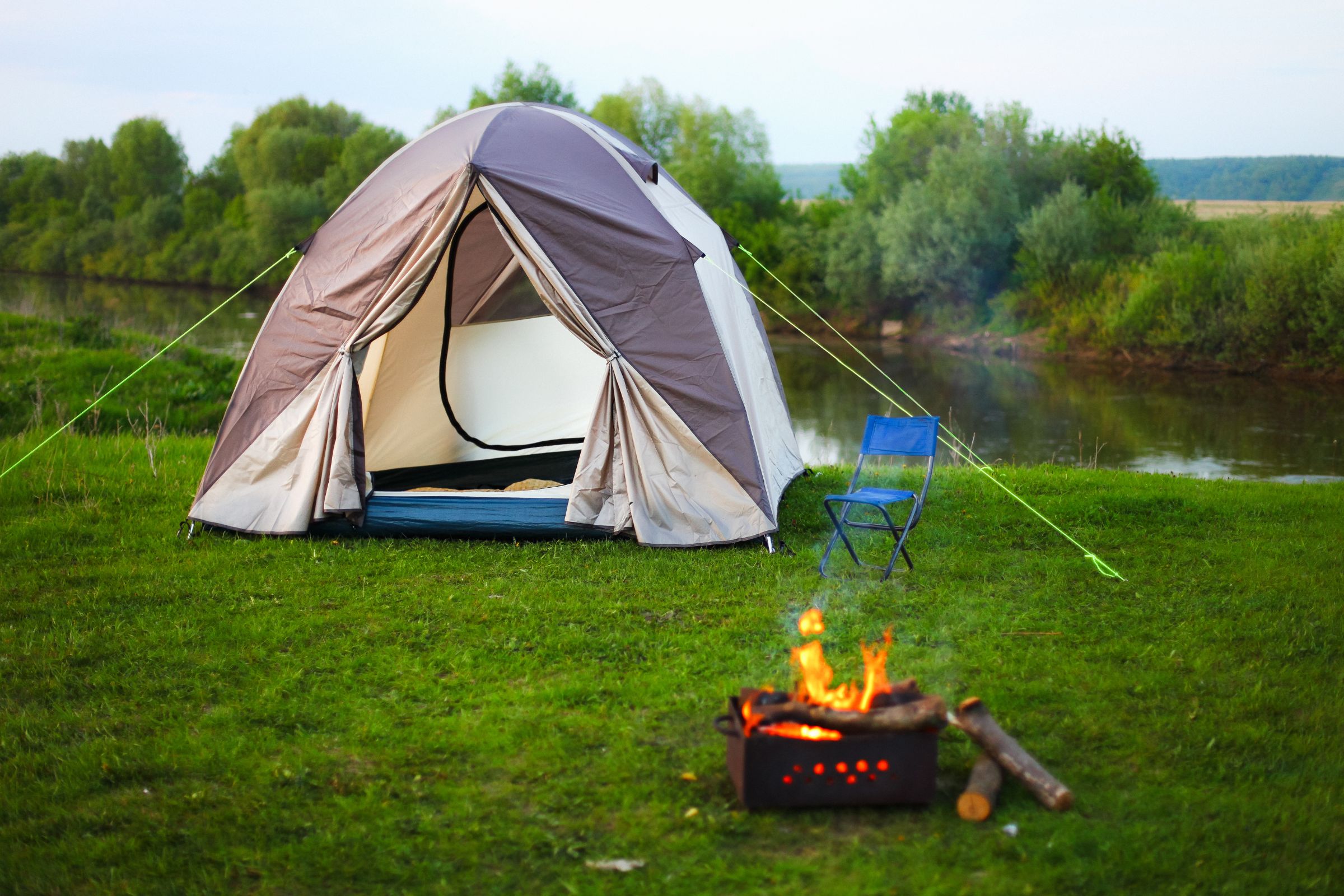
Camping in the great outdoors is a rewarding experience, but staying safe should always be a top priority. Whether you’re glamping in a luxurious setup, pitching a tent at a remote campground, or exploring the wilderness in an RV or van, following these essential safety tips will ensure a memorable and secure adventure.
1. Prepare for the Elements
- Check the Weather: Always review the weather forecast before your trip and pack accordingly. Seasonal gear, such as rain jackets in spring or insulated sleeping bags in winter, is essential.
- Dress in Layers: Weather can change quickly, especially in parks and mountainous regions. Wear moisture-wicking base layers and pack extra clothing.
- Stay Hydrated: Carry plenty of water and a portable filtration system to ensure access to safe drinking water.
2. Campfire Safety
Campfires are a camping staple but require caution:
- Follow Regulations: Check local rules and restrictions regarding campfires, especially in parks prone to wildfires.
- Choose the Right Spot: Use designated fire rings or build your fire in a cleared area far from tents and flammable materials.
- Extinguish Properly: Always douse your fire with water until the ashes are cold to the touch before leaving.
3. Wildlife Awareness
Encounters with wildlife can be thrilling but should be approached with caution:
- Store Food Safely: Use bear-proof containers or hang food in a tree to keep it away from animals.
- Respect Wildlife: Observe from a distance and avoid feeding animals, as this can disrupt their natural behavior.
- Know the Risks: Research the wildlife in the area and learn how to respond to encounters with animals like bears, snakes, or coyotes.
4. Navigation and Communication
Getting lost is a common concern when camping in unfamiliar areas:
- Bring a Map and Compass: GPS devices are helpful but can fail in remote areas. Always carry a backup.
- Tell Someone Your Plans: Share your itinerary with a trusted friend or family member.
- Carry a Whistle: It’s a simple but effective tool for signaling in case of an emergency.
Camping safety is about preparation, awareness, and respect for nature. By following these tips, you’ll be well-equipped to handle campfires, wildlife, and the challenges of the wilderness, ensuring a secure and enjoyable adventure in the great outdoors.


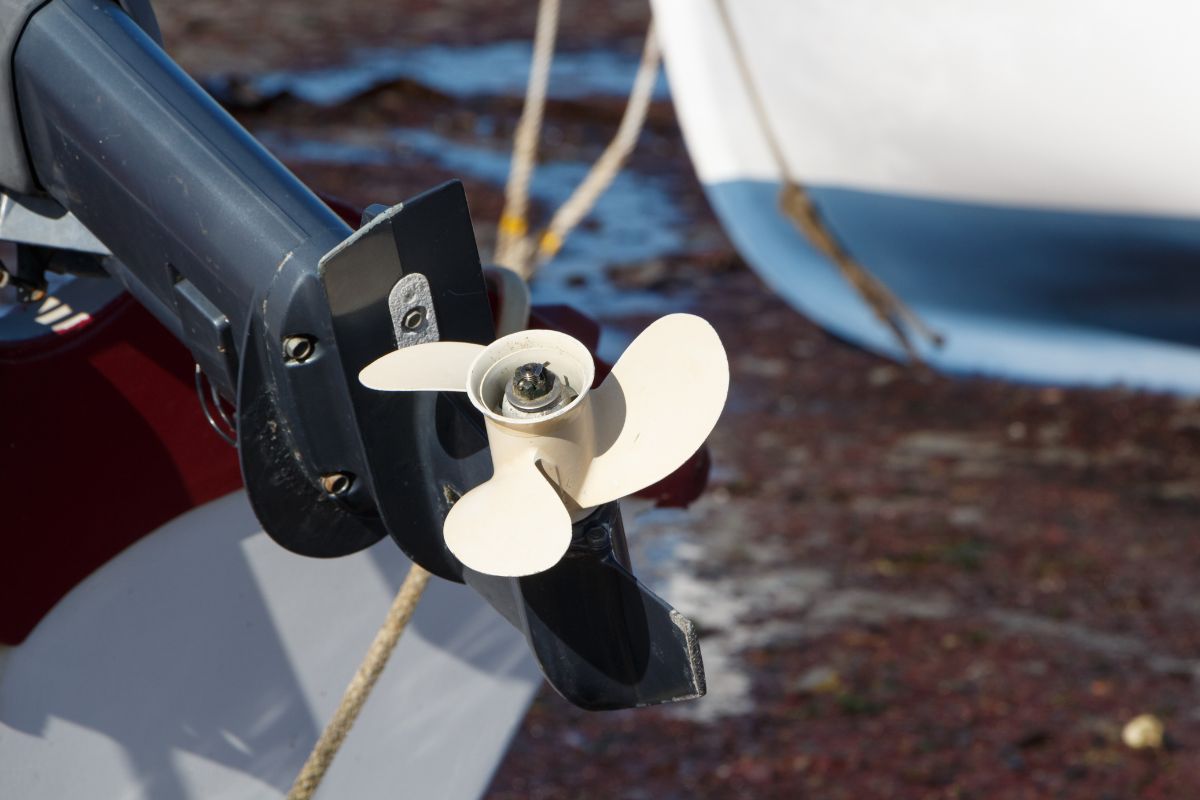
The Best Replacement Parts for Boats in 2026
Boat ownership in 2026 is all about reliability, efficiency, and
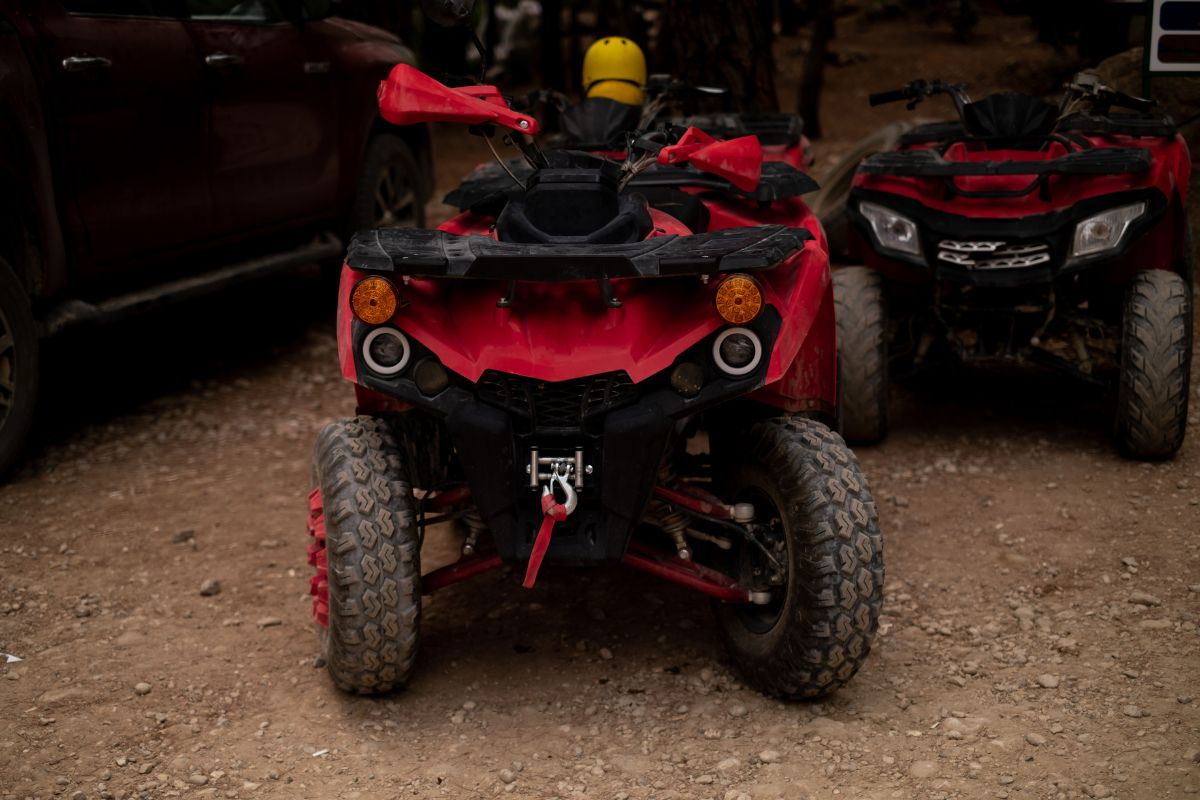
Preparing for the 2026 Power Sports Season: Top Helmets, Gloves & Accessories to Gear Up Safely and Stylishly
As the 2026 power sports season approaches, riders across the
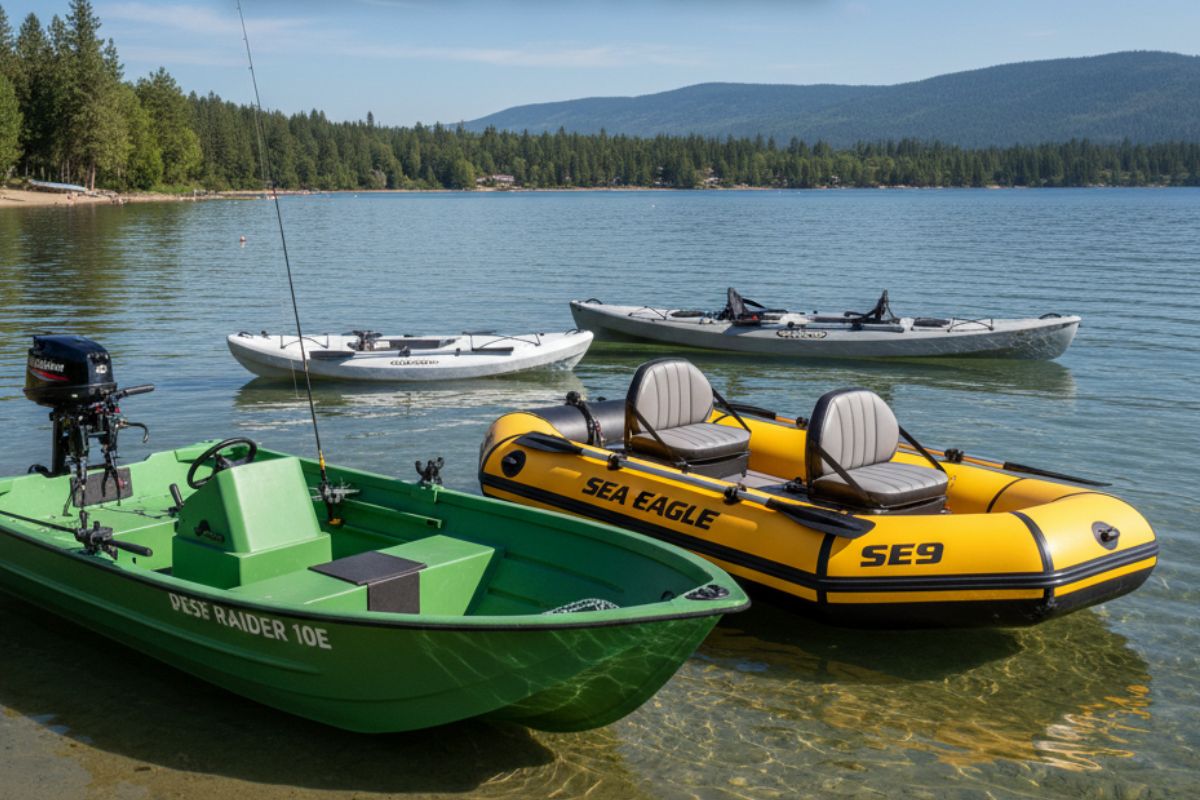
Best New Boats Under $1,000 for 2026
Finding high-quality boats under $1,000 is still possible in 2026.
2026 Outdoor Alert: Major DNR Changes and National Park Updates
The 2026 season is bringing significant shifts to the

Spring Tune-Up: Essential Maintenance for Kayaks and Paddleboards After Winter Storage
As the snow melts and the first hints of green

Snowmobiling Safely: Essential Gear to Stay Warm, Protected, and Ready for the Ride
Snowmobiling is one of the most exciting ways to explore