Fire Starting 101: Techniques for Any Survival Situation
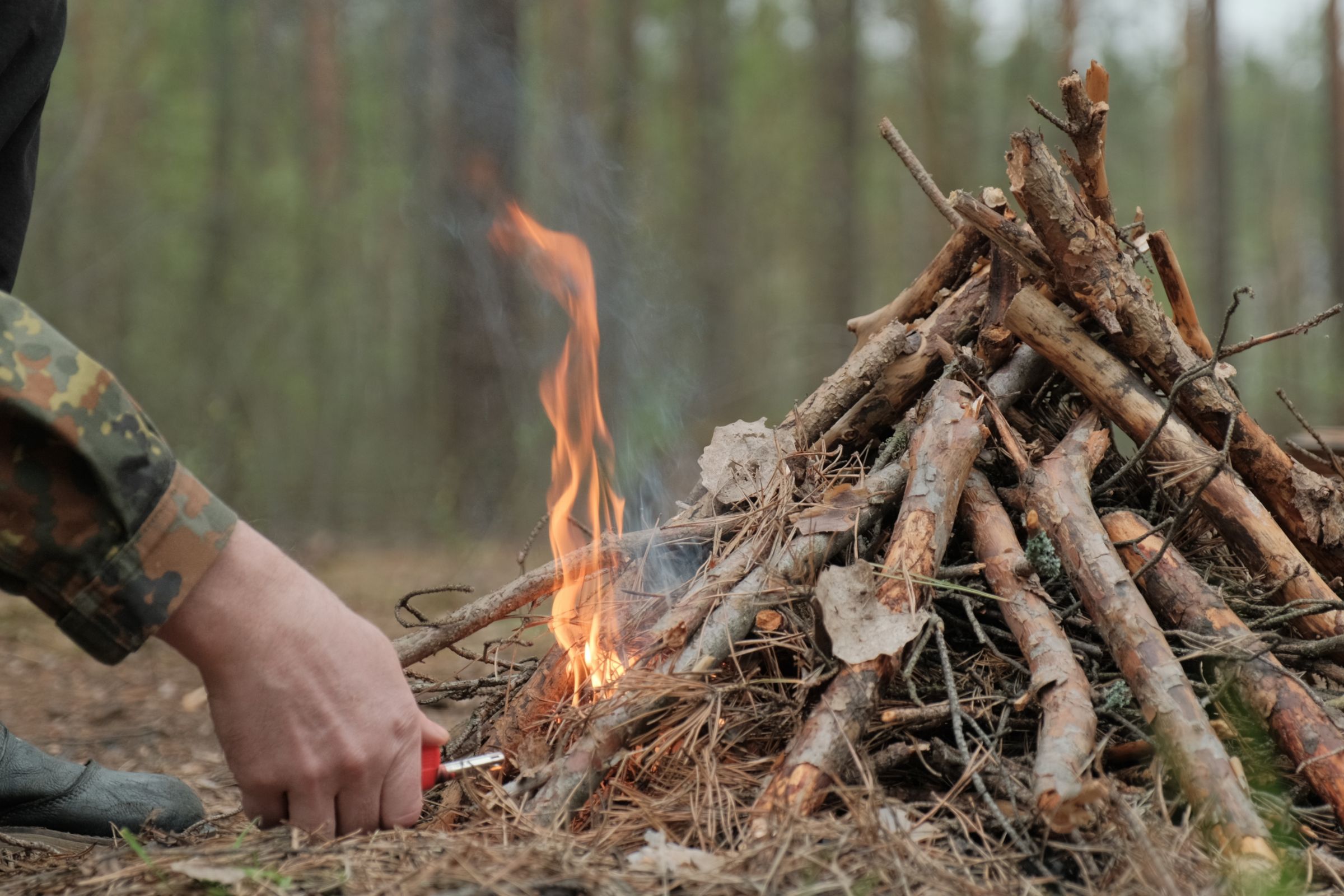
Fire starting is one of the most essential survival skills, providing warmth, light, and the ability to cook food or purify water. Whether you’re an avid bushcrafter or preparing for unexpected situations, mastering various fire-starting methods ensures you’ll be ready no matter the environment. From traditional techniques to modern tools, here’s your comprehensive guide to building a reliable fire in any survival situation.
Traditional Fire-Starting Techniques
- Friction-Based Methods Friction-based methods, such as the bow drill and hand drill, have been used for centuries. These techniques rely on creating heat through the rubbing of wood against wood. A bow drill is an excellent option for beginners due to its efficiency, while the hand drill is lightweight but requires significant skill and patience. For these methods, dry, softwoods like cedar or willow are your best bet.
- Flint and Steel A flint and steel kit is a classic fire-starting method used in bushcraft. By striking steel against flint, sparks are generated to ignite fine, dry tinder such as char cloth or dried grass. This technique is reliable in various conditions but requires practice to perfect.
Modern Fire-Starting Tools
- Ferrocerium Rod A ferrocerium rod, or “ferro rod,” is a must-have in any survival kit. Unlike flint and steel, it produces a shower of hot sparks, igniting your tinder with ease. Pair this tool with a cotton ball smeared with petroleum jelly for an instant flame.
- Magnesium Block Magnesium blocks with built-in strikers are lightweight and easy to use. Shave off small magnesium pieces onto your tinder and use the striker to create sparks. The magnesium burns hot, even in damp conditions, making it an excellent option for wet environments.
- Waterproof Matches and Lighters For a quick and convenient fire-starting solution, pack waterproof matches or stormproof lighters. These tools are essential for beginners or as backups to more traditional methods.
Building and Sustaining the Fire
Choosing the right tinder, kindling, and firewood is critical. Begin with fine, dry materials like birch bark, dried grass, or feather sticks. Gradually add larger sticks and logs to maintain the flame. Always shield your fire from wind using rocks or a makeshift windbreak.
Safety and Sustainability
Practice fire safety by ensuring the area around your fire is clear of debris and dry leaves. Always extinguish your fire completely before leaving. In the spirit of bushcraft and sustainability, leave no trace behind.
Fire starting is more than just a skill; it’s a survival art. Whether you’re out trapping, building shelters, or exploring the wilderness, mastering these techniques ensures you stay warm and prepared.


How to Get Started Bow Hunting
Bow hunting gives hunters a quiet and challenging way
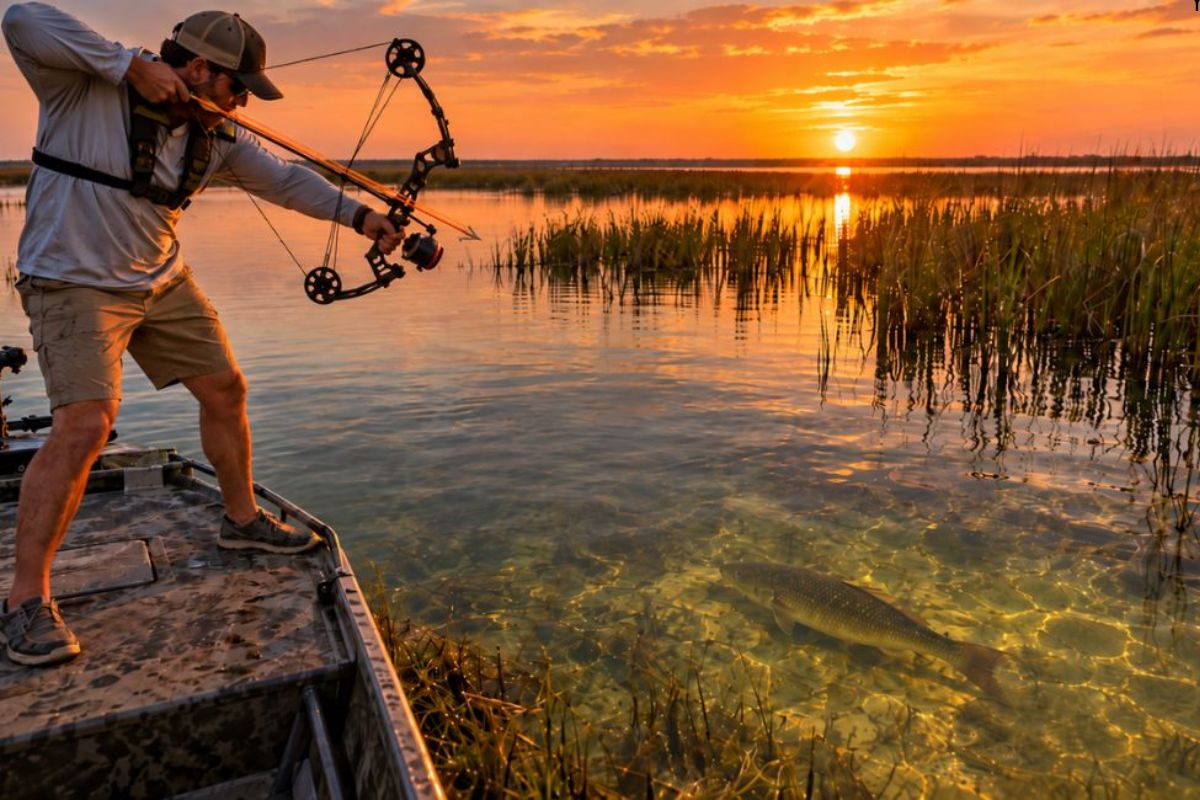
Bowfishing Basics for Beginners
Bowfishing combines parts of archery and fishing into one
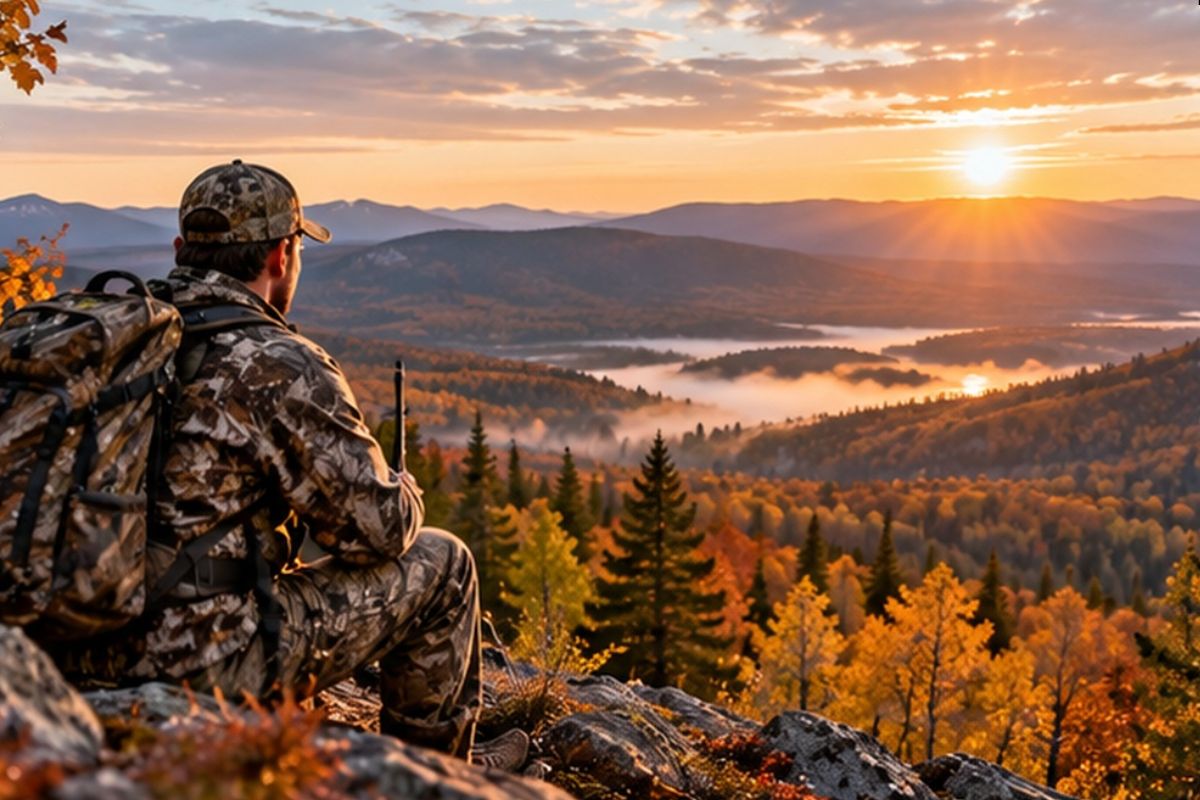
When Is Hunting Season
One of the first questions new hunters ask is
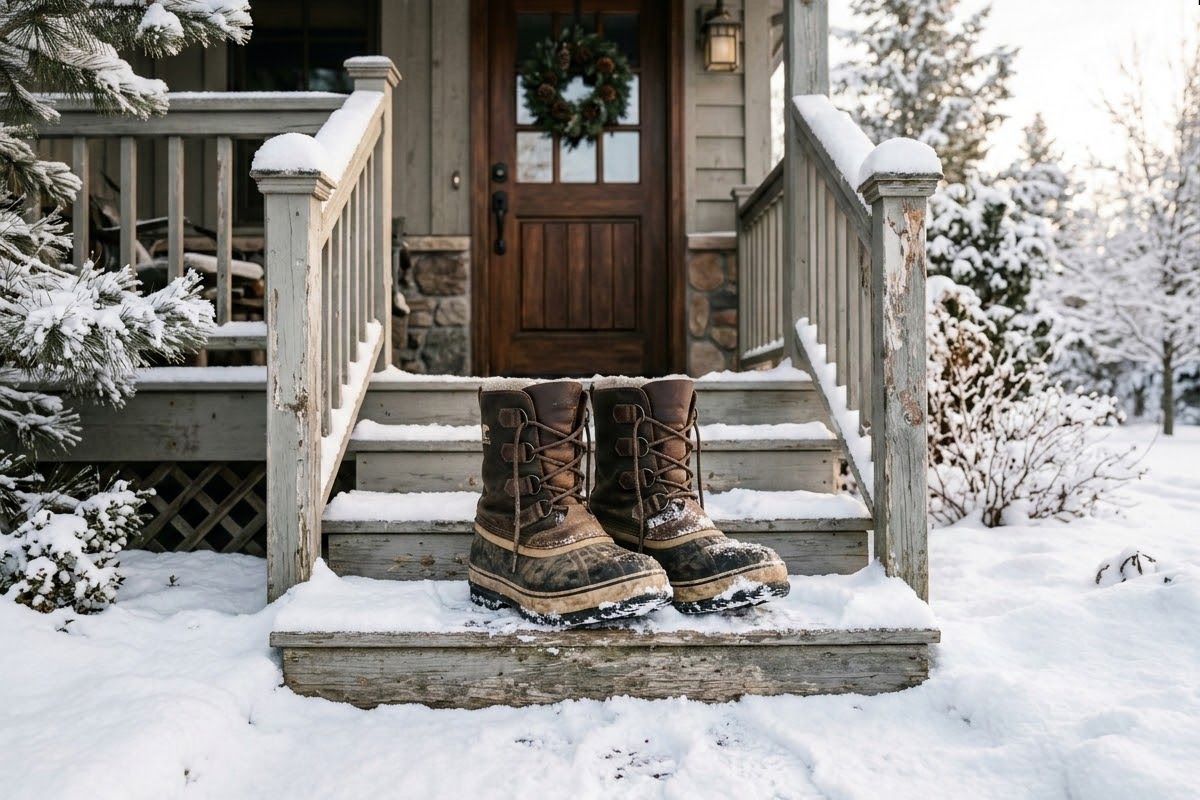
Ultimate Time to Shop for Winter Boots and Shoes
When the first crisp breeze of autumn rolls in

How to Stay Safe Around Wildlife
Seeing wildlife can be one of the best parts
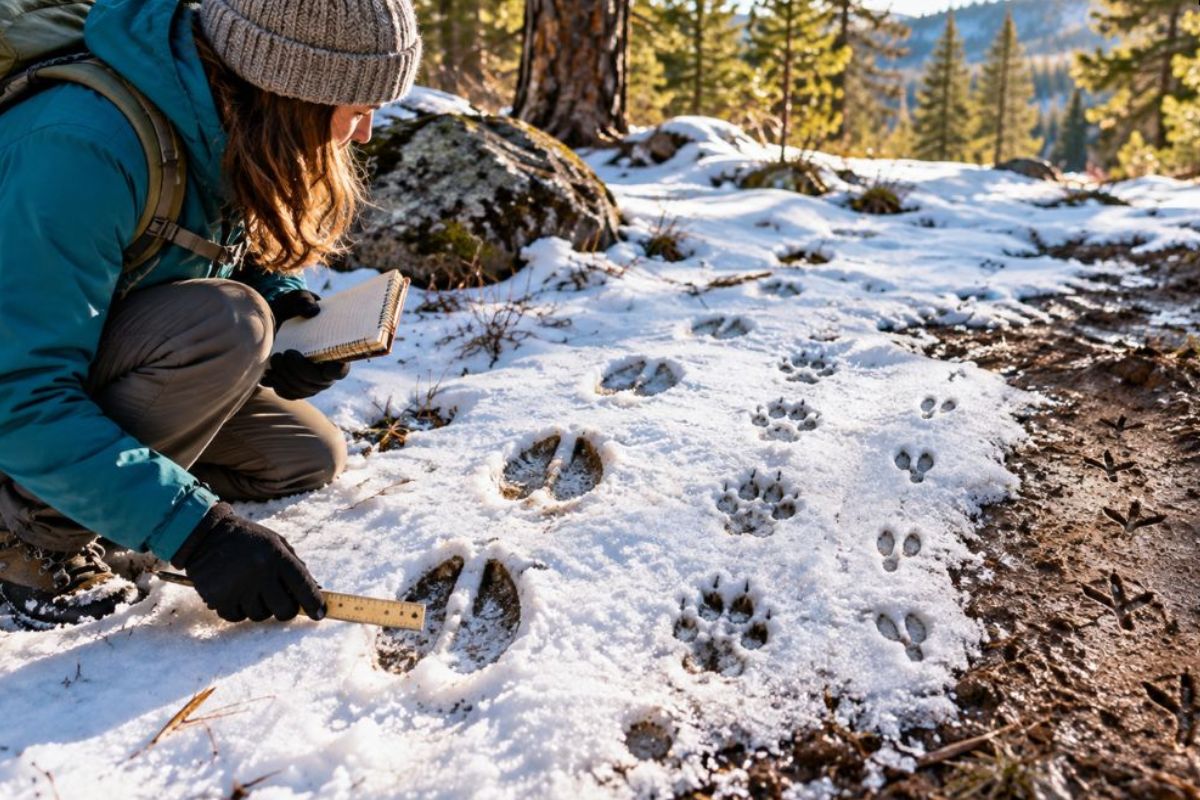
Animal Tracking for Beginners
You do not have to see an animal to