Fishing in All Seasons: A Month-by-Month Guide to Planning Your Trips
For avid anglers, fishing isn’t just a hobby, it’s a year-round passion! But with fish behavior influenced by seasonal changes, knowing when and where to cast your line can make all the difference. This month-by-month guide will help you plan your fishing trips for optimal success and enjoyment, no matter the season.
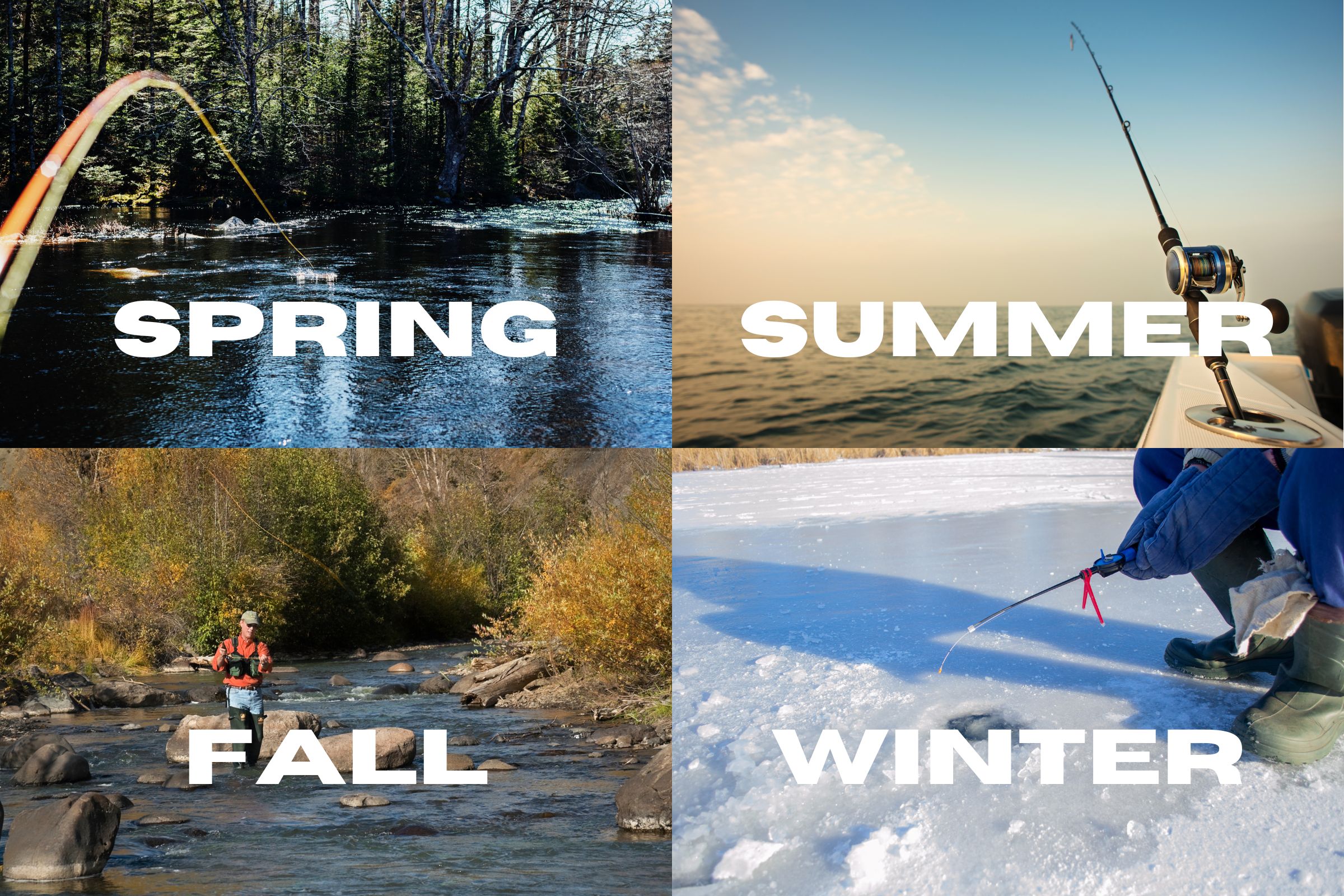
Winter (December – February)
- Hotspots: Deep lakes, tailwaters below dams, and ice fishing on frozen lakes.
- Target Species: Trout, walleye, yellow perch, northern pike (ice fishing).
- Tips: Focus on deeper water where fish congregate in colder temperatures. Use slower presentations and smaller lures. For ice fishing, safety first! Check ice thickness and dress warmly.
Spring (March – May)
- Hotspots: Shallow bays, river mouths, and spawning areas.
- Target Species: Crappie, largemouth bass, smallmouth bass, trout.
- Tips: Fish become more active as water temperatures rise. Target shallow areas where fish come to spawn. Use brighter lures and faster retrieves.
Summer (June – August)
- Hotspots: Deep water, weed beds, and shaded areas.
- Target Species: Bass, catfish, panfish, walleye.
- Tips: Fish seek cooler water during the hottest months. Focus on early mornings and late evenings. Use topwater lures and deeper presentations.
Fall (September – November)
- Hotspots: Rivers, streams, and lakes with abundant baitfish.
- Target Species: Trout, salmon, walleye, bass.
- Tips: Fish feed aggressively to prepare for winter. Target areas with migrating baitfish. Use crankbaits, spinners, and jigs.
Month-by-Month Breakdown:
- January: Ice fishing is in full swing. Target panfish and walleye in deeper water.
- February: Continue ice fishing, but start looking for open water opportunities in tailwaters.
- March: Pre-spawn fishing for crappie and bass begins in shallow bays.
- April: Trout fishing heats up in streams and rivers. Bass move shallow to spawn.
- May: Excellent time for topwater fishing for bass. Walleye become active in deeper water.
- June: Summer patterns emerge. Target bass in weed beds and catfish in deep holes.
- July: Focus on early morning and evening fishing for bass and walleye.
- August: Fish deeper water for heat-stressed species. Try night fishing for catfish.
- September: Fall feeding frenzy begins. Target trout and salmon in rivers and streams.
- October: Excellent time for crankbait fishing for bass and walleye.
- November: Fish slow down as water temperatures drop. Focus on deeper water.
- December: Ice fishing season returns. Target panfish and walleye.
Remember: This is just a general guide. Local conditions and regulations can vary significantly. Always check with your local fish and wildlife agency for the most up-to-date information.
By understanding seasonal patterns and adjusting your fishing strategies accordingly, you can increase your chances of success and enjoy a rewarding fishing experience throughout the year. So, grab your gear, consult this guide, and get ready to cast your line in every season!


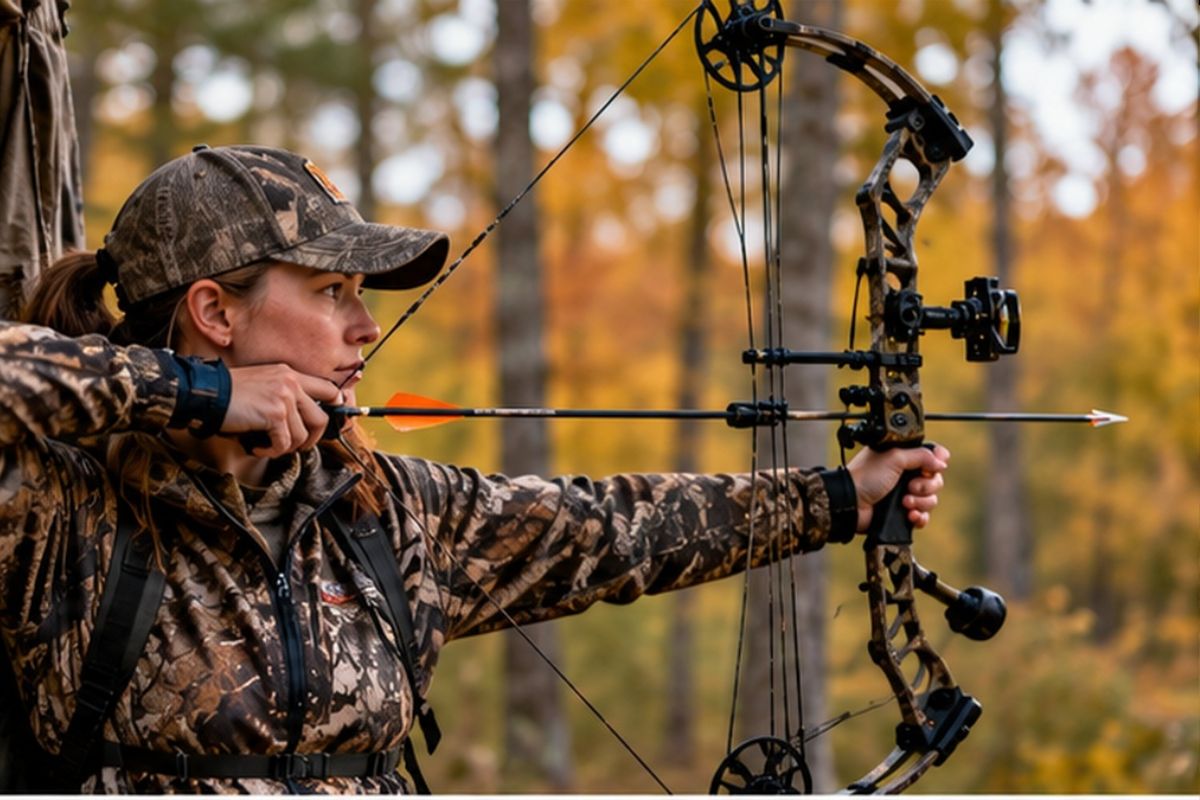
How to Get Started Bow Hunting
Bow hunting gives hunters a quiet and challenging way
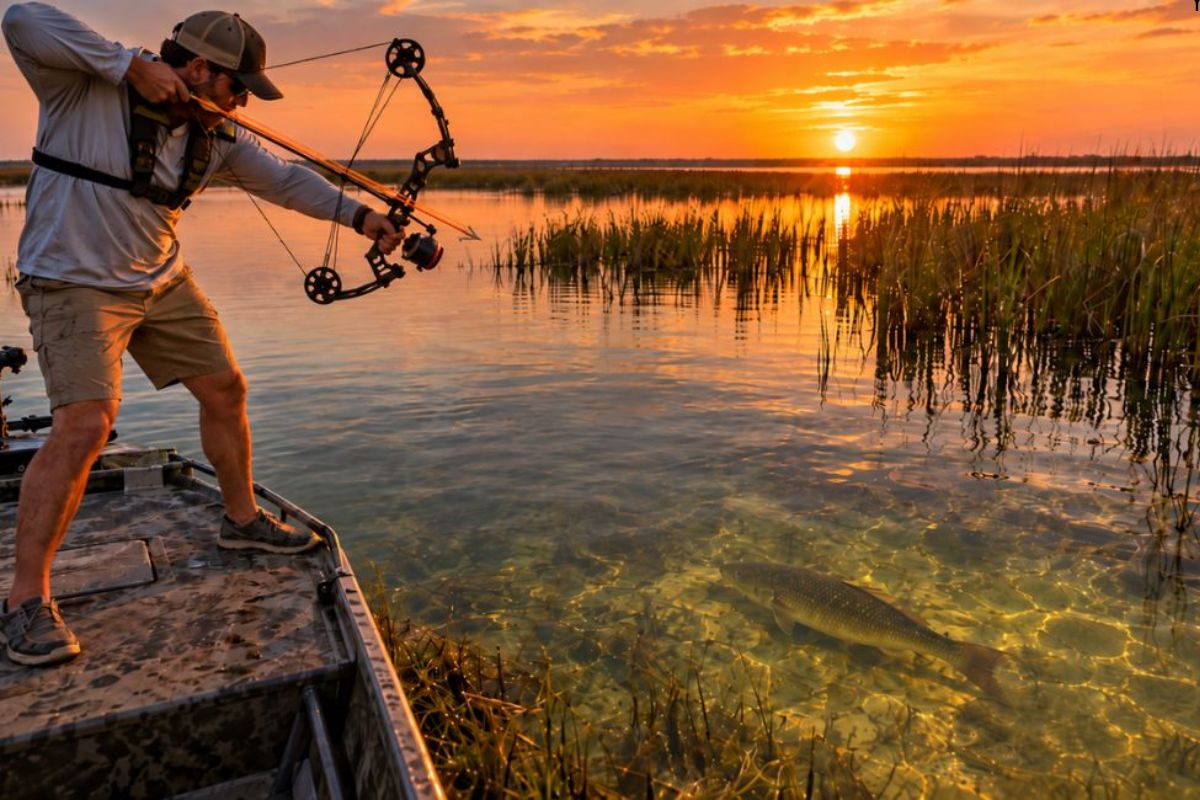
Bowfishing Basics for Beginners
Bowfishing combines parts of archery and fishing into one
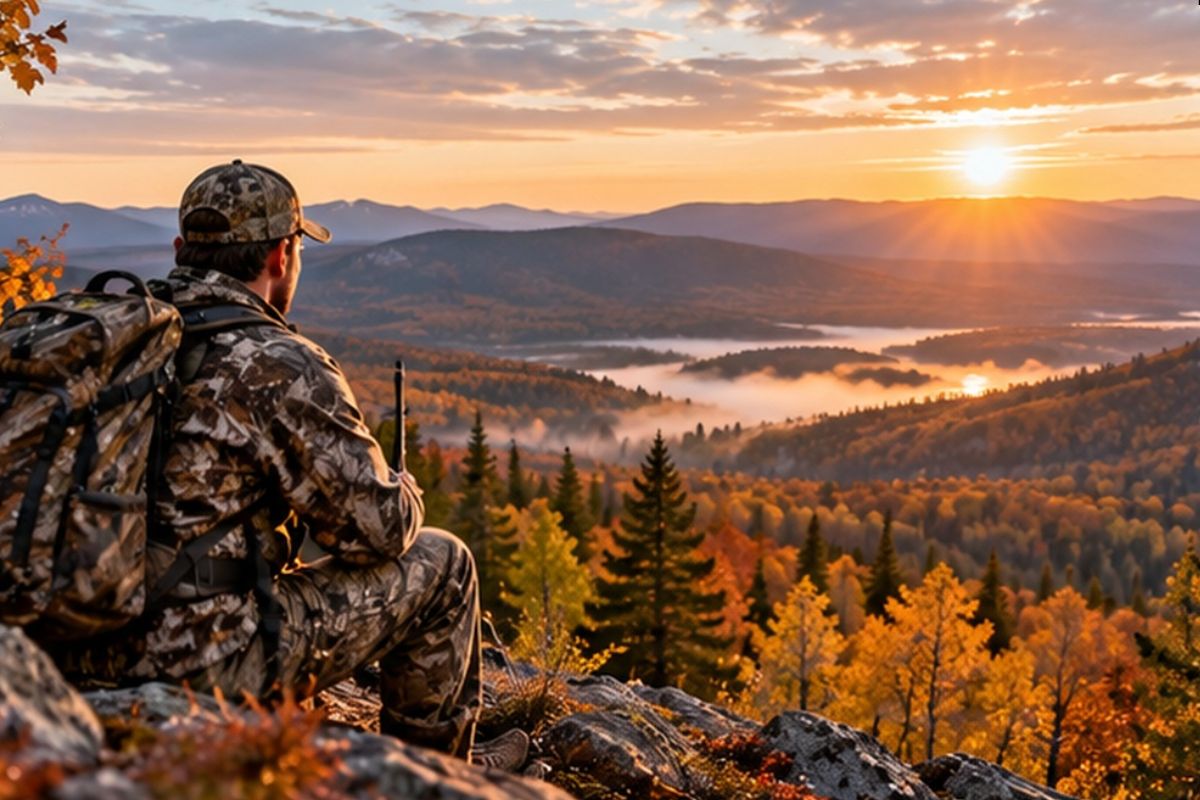
When Is Hunting Season
One of the first questions new hunters ask is
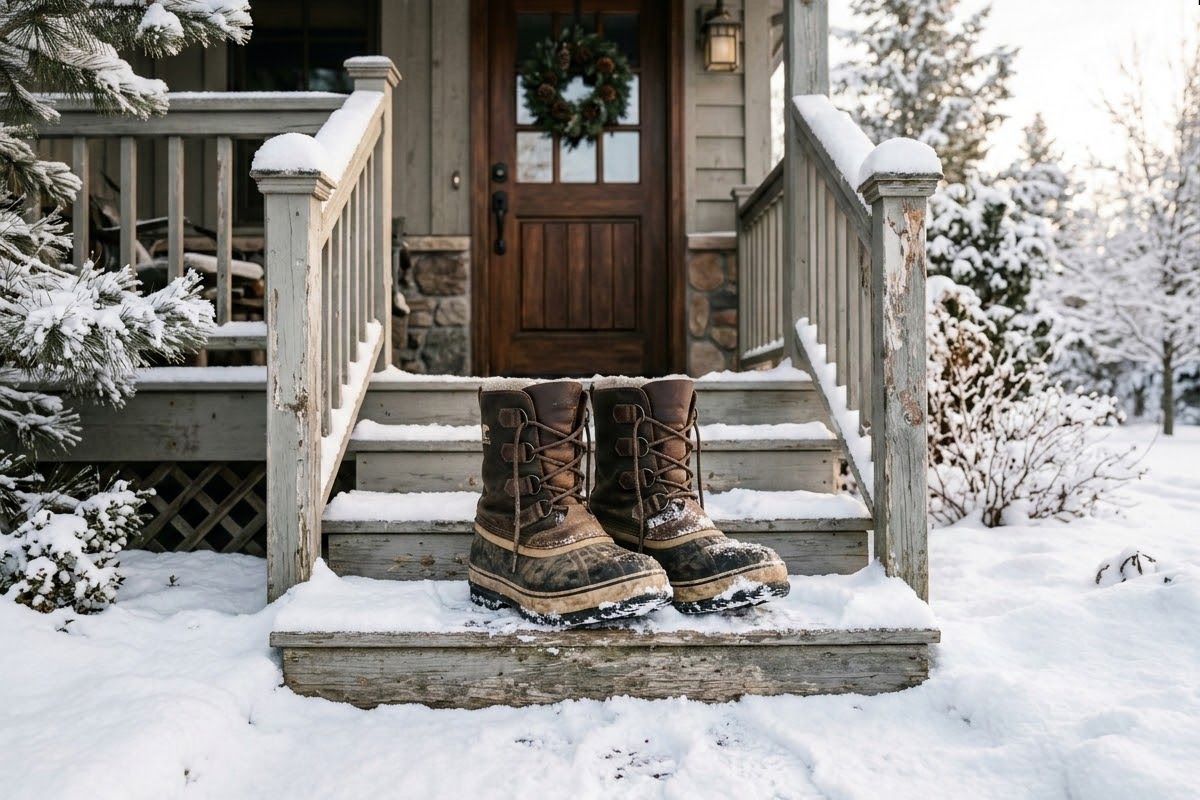
Ultimate Time to Shop for Winter Boots and Shoes
When the first crisp breeze of autumn rolls in
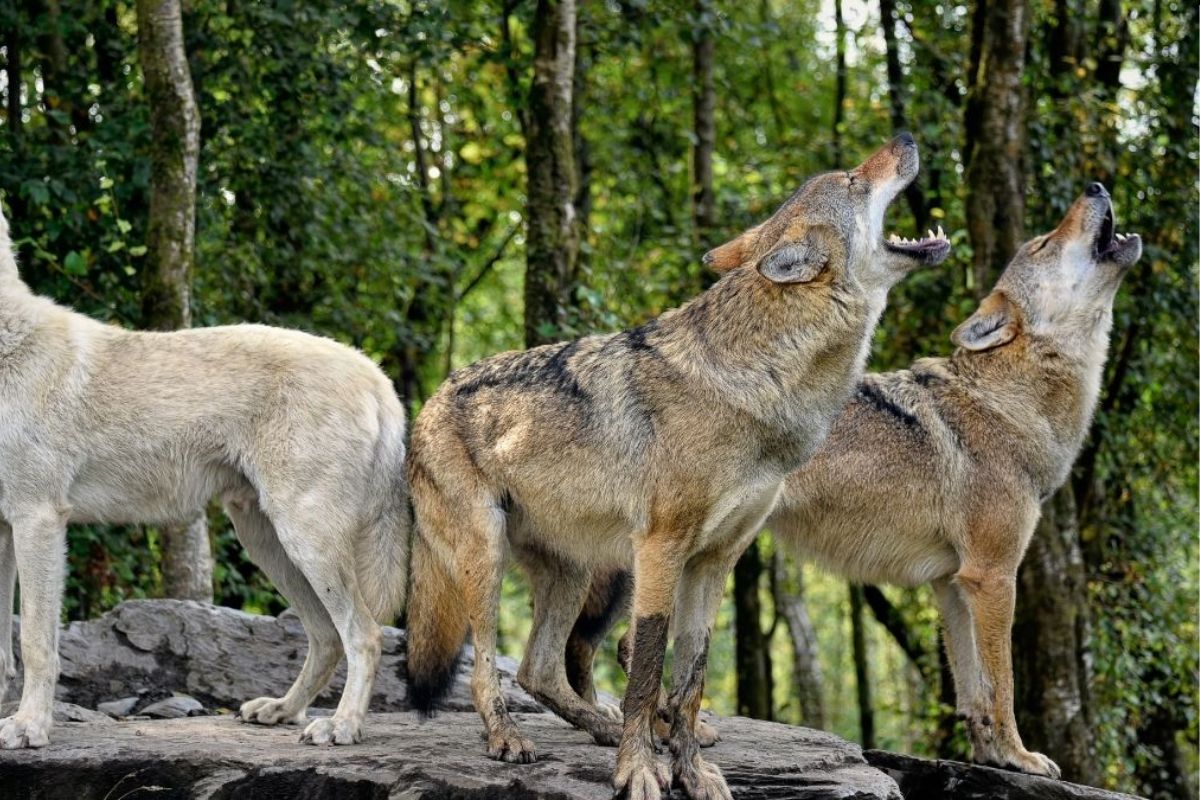
How to Stay Safe Around Wildlife
Seeing wildlife can be one of the best parts
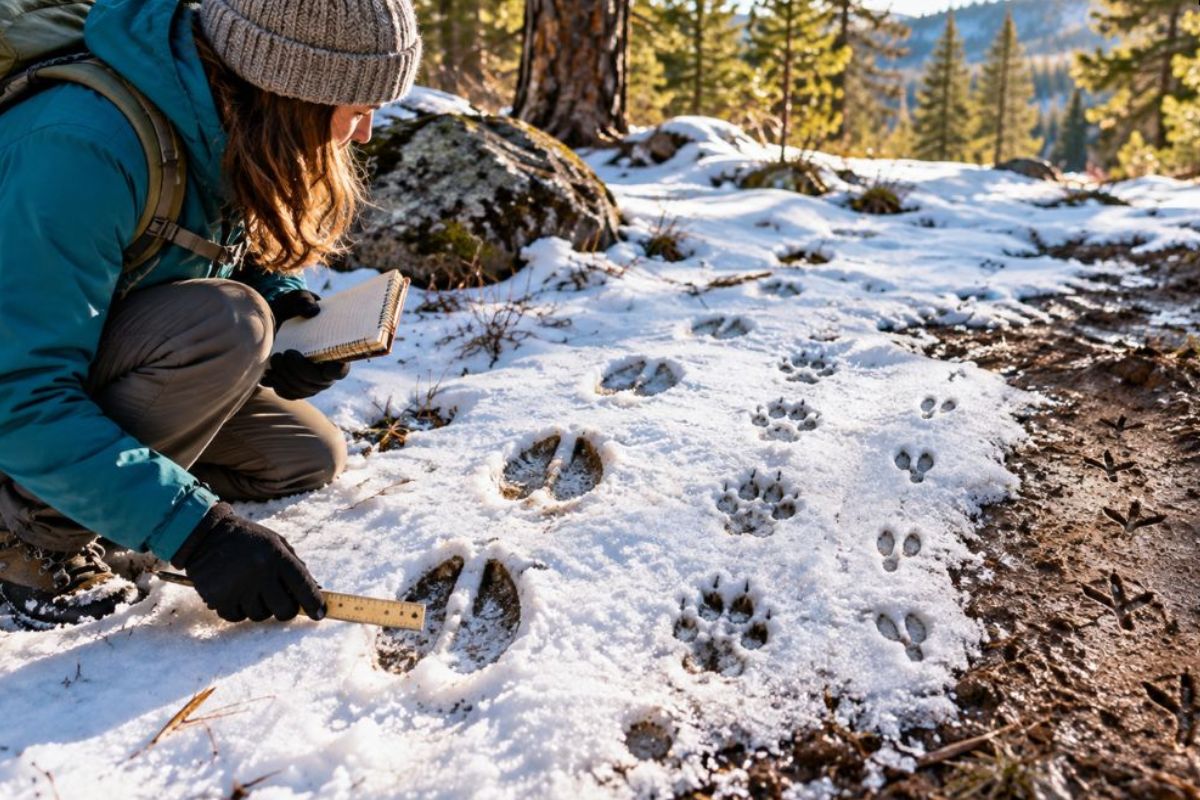
Animal Tracking for Beginners
You do not have to see an animal to