Mastering Bear Baiting: Essential Techniques & Tactics for Success

Bear baiting can be one of the most effective—and controversial—methods of pursuing black bears. When done correctly, it provides reliable shot opportunities, extends hunting seasons, and enhances overall success rates. However, success comes from thoughtful site selection, consistent maintenance, smart setup, and a deep respect for the animals you’re targeting. This article combines expert insights and proven tactics to help you master the art of bear baiting responsibly and effectively.
Why Bear Baiting Works
Bears are opportunistic creatures with an incredibly powerful sense of smell—estimated to be seven times more acute than a bloodhound’s. That means they can smell bait from miles away. Bear baiting works by tapping into this natural instinct. When you consistently place high-calorie, appealing food in a secluded spot, bears will return frequently. Over time, this builds a predictable pattern of movement that hunters can capitalize on. By encouraging regular visits, bear baiting allows for more selective harvests, enabling hunters to pass on small bears and target mature, healthy individuals.
Selecting the Perfect Bait Site
Choosing the right site is the cornerstone of any successful baiting operation. Ideal bait sites are typically located near natural bear corridors—creek bottoms, ridgelines, swampy draws, or old logging roads. A good site has thick cover for security, is sheltered from wind, and has minimal human disturbance. Think about where a bear would feel safe feeding. Avoid open spaces that make bears feel exposed. Also, try to set up near natural food sources like berry patches or oak trees to increase the chance of bear traffic. In many states, you’ll need to mark your bait site with a tag or permit number—be sure to check local laws before you set up.
Choosing Effective Bait & Attractants
What you bait with can make or break your site. The best baits are a mix of protein, fat, and sugar. Common choices include dog food, donuts, popcorn soaked in grease, old cooking oil, candy, fruit scraps, meat trimmings, and syrups. The idea is to make your site the most appealing food option in the area. Sweet baits—like jelly, maple syrup, or gummy bears—release strong aromas that travel far. Many hunters use a scent attractant, soaking logs or spreading it on nearby trees. Hanging scent wicks or dripping scent trails can help bears find your bait faster, especially in thick cover. Remember: consistency and strong scent are key.
Consistency Builds Trust
Once a bear finds your bait, they will return—if you maintain it. Refill your bait every 2–3 days, and always do it the same way. This builds trust and habituation. A bear that learns to rely on your bait will return during shooting hours if the food is consistent. Sporadic baiting can result in bears visiting only at night or abandoning the site altogether. Track your bait levels and visitation patterns using trail cameras. This data tells you when bears are coming, how many are showing up, and what times they prefer. It also helps you spot dominant males or sows with cubs and make informed decisions about what bears to harvest.
Wise Stand Placement & Scent Management
The position of your hunting stand in relation to the bait is crucial. You want to be close enough for an ethical shot but far enough that the bear can’t wind you or see you approach. Most experienced hunters place stands 20–30 yards away, slightly elevated for visibility. Avoid placing stands directly downwind of the bait, and be mindful of thermal currents—especially during warm evenings. When setting or checking bait, wear rubber gloves, spray down with scent eliminator, and take a stealthy approach. Bears can spook easily if they detect human scent, especially older boars that have learned to be cautious.
Backcountry Baiting: Tools & Techniques
If you’re hunting deep in the backcountry, logistics become even more important. Many remote hunters use ATVs, pack frames, or game carts to haul bait. Lightweight bait options like dry dog food, bread, or popcorn help reduce the load. Use plastic barrels with locking lids to keep out other animals and the elements. Chain or strap your barrel to a tree to prevent it from being dragged off. Some hunters drill drainage holes in the bottom to prevent water accumulation, preserving the bait longer. Remember to pack out all trash and respect public land regulations.
Monitoring and Adapting
Technology is your friend. Trail cameras not only help identify trophy animals but also show you what time bears are arriving. If you notice only nocturnal activity, consider reducing bait slightly to encourage earlier visits. Sometimes hunting pressure or full moon phases shift bear patterns. Don’t hesitate to move a site a few hundred yards if it goes cold. Also, always have a plan B. Setting up multiple bait sites increases your odds and allows you to rotate pressure, keeping bears more comfortable. Rotate bait types occasionally to keep things fresh and interesting for the bears.
Ethics, Safety & Respect
Bear baiting comes with ethical responsibilities. Always follow local regulations—know your season dates, tagging requirements, bait restrictions, and land use rules. Never bait near roads or water sources that are off-limits. Respect the bear and the land. Only harvest mature animals and avoid shooting sows with cubs. Practice good shot placement and be ready to track if needed. Safety is also key. Know your escape route. Keep bear spray handy. Be alert—especially when checking bait sites alone. Bears that feel cornered or pressured can become dangerous. Treat every hunt with respect and preparation.
Bear baiting, when done right, is both effective and rewarding. It offers a unique chance to observe bear behavior up close and make selective harvests that support conservation. By focusing on smart bait site selection, maintaining a consistent routine, managing scent, and adhering to ethical practices, you set yourself up for success. Whether you’re new to baiting or refining your tactics, the strategies above will help you get the most from your bear season. Take the time to do it right—and your patience will pay off when a big bruin steps into view.


The Best Replacement Parts for Boats in 2026
Boat ownership in 2026 is all about reliability, efficiency, and
Preparing for the 2026 Power Sports Season: Top Helmets, Gloves & Accessories to Gear Up Safely and Stylishly
As the 2026 power sports season approaches, riders across the
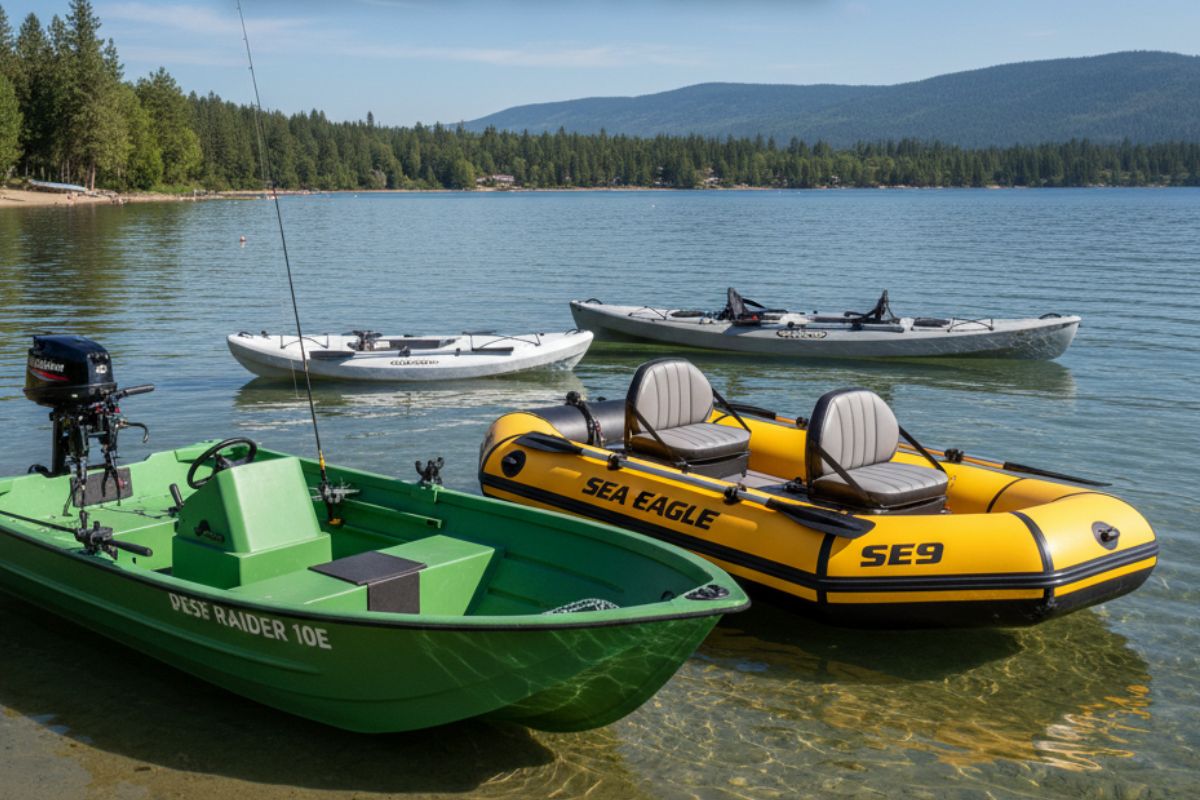
Best New Boats Under $1,000 for 2026
Finding high-quality boats under $1,000 is still possible in 2026.

2026 Outdoor Alert: Major DNR Changes and National Park Updates
The 2026 season is bringing significant shifts to the

Spring Tune-Up: Essential Maintenance for Kayaks and Paddleboards After Winter Storage
As the snow melts and the first hints of green

Snowmobiling Safely: Essential Gear to Stay Warm, Protected, and Ready for the Ride
Snowmobiling is one of the most exciting ways to explore