Portage Like a Pro: Tricks for Carrying Gear Through the Wild

Canoe camping is the ultimate adventure for outdoor lovers—paddle by day, camp by night, and tackle those legendary portages in between. If you’re ready to take your camping game to the next level, learning how to portage like a pro is essential. Whether you’re heading to the Boundary Waters or exploring a local river chain, these tips will help you carry your gear efficiently, keep your spirits high, and make the most of every wild mile.
What Is Portaging? (And Why Does It Matter?)
Portaging means carrying your canoe and gear overland between bodies of water. It’s what separates true backcountry canoe camping from a simple float trip. Portages can range from a few dozen yards to several miles, often involving rugged trails, mud, rocks, and the occasional swarm of mosquitoes. Mastering the portage is key to unlocking remote campsites and epic adventures.
Pack Smart, Pack Light
The golden rule of portaging: less is more. Every ounce counts when you’re lifting and hauling gear, so focus on the essentials:
- Opt for lightweight, multi-use equipment like compact tents, collapsible cookware, and quick-dry clothing.
- Use dry bags or waterproof packs to protect your gear and make carrying easier.
- Ditch the extras—if you don’t need it, leave it behind.
Master the Perfect Portage Pack
A good pack can make or break your portage experience:
- Choose a portage pack with padded shoulder straps and a hip belt for comfort and support.
- Distribute weight evenly—keep heavy items close to your back and centered in the pack.
- Practice your packing at home to dial in the fit and balance.
Canoe Carrying Hacks
Carrying your canoe doesn’t have to be a pain in the neck (literally):
- Use a yoke pad or improvise with a jacket for extra shoulder comfort.
- Balance the canoe before lifting to avoid awkward wobbles.
- Team up for heavy lifts—but if you’re solo, practice your technique at home.
Pro tip: Take your time getting the canoe up and settled before hitting the trail. Rushing can lead to slips or spills.
Efficiency on the Trail
Time and energy matter on long portages:
- Scout the trail first if possible, especially if it’s your first time.
- Try the “double carry” method: move half your gear halfway, return for the rest—less strain, more control.
- Take regular breaks and stay hydrated—portage trails are often rugged and unforgiving.
Keep Morale High
Portaging can be tough, but your mindset makes all the difference:
- Pack your favorite trail snacks for a quick energy boost.
- Hum a tune or create a playlist—sometimes a little rhythm makes the load lighter.
- Celebrate small wins: reaching the end of a long portage deserves a lakeside high-five (or at least a hearty snack).
Did You Know?
Did you know the longest portage in North America is the Grand Portage in Minnesota? It stretches a whopping 8.5 miles and was once a major trade route for voyageurs hauling furs and goods between Lake Superior and the interior!
Pro Tips & Fails to Avoid
- Waterproof everything—even if the forecast looks perfect.
- Don’t forget bug spray and a first aid kit (seriously, don’t).
- Learn from mistakes—everyone has a story about a muddy spill or a missed portage trail. Laugh it off and keep moving.
Ready to Portage Like a Pro?
Portaging is part grit, part strategy, and all adventure. With these tricks up your sleeve, you’ll be ready to tackle any trail and make the most of your next canoe camping trip. Got a portage hack or a wild story? Share it in the comments or tag us with #ExploreGear on social!
Related Reading:
Escape the Crowd: Your Guide to Dispersed Camping
One Pot Camping Meals: Delicious & Easy Outdoor Camping
Ready to take your canoe camping to the next level? Stay tuned for more guides, tips, and gear reviews from Explore Gear. Adventure awaits—let’s hit the water!
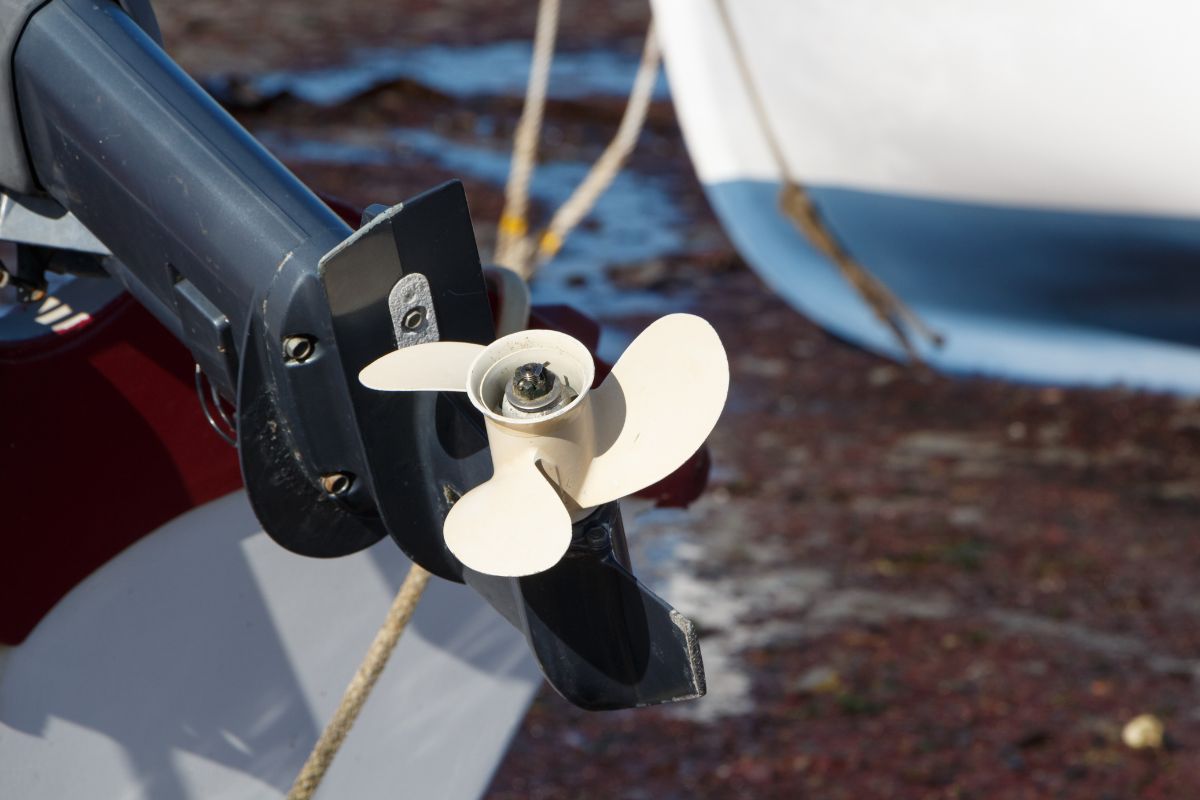
The Best Replacement Parts for Boats in 2026
Boat ownership in 2026 is all about reliability, efficiency, and
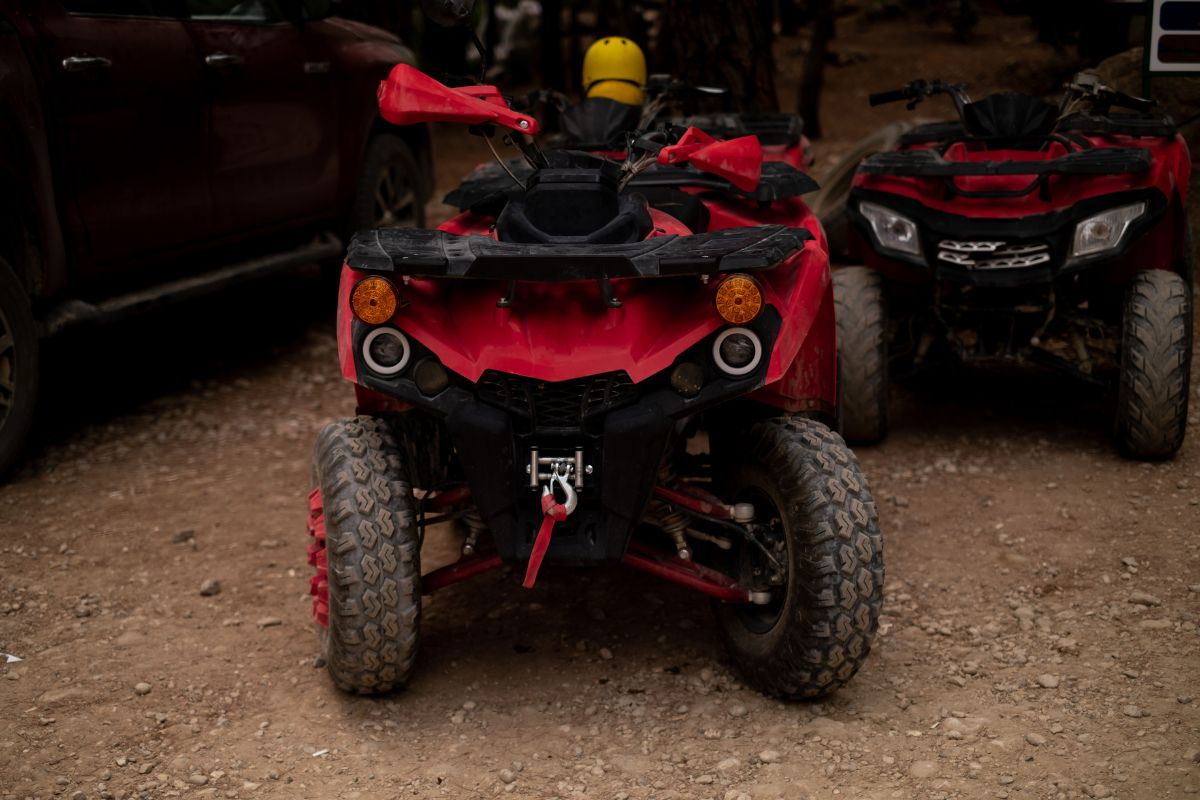
Preparing for the 2026 Power Sports Season: Top Helmets, Gloves & Accessories to Gear Up Safely and Stylishly
As the 2026 power sports season approaches, riders across the
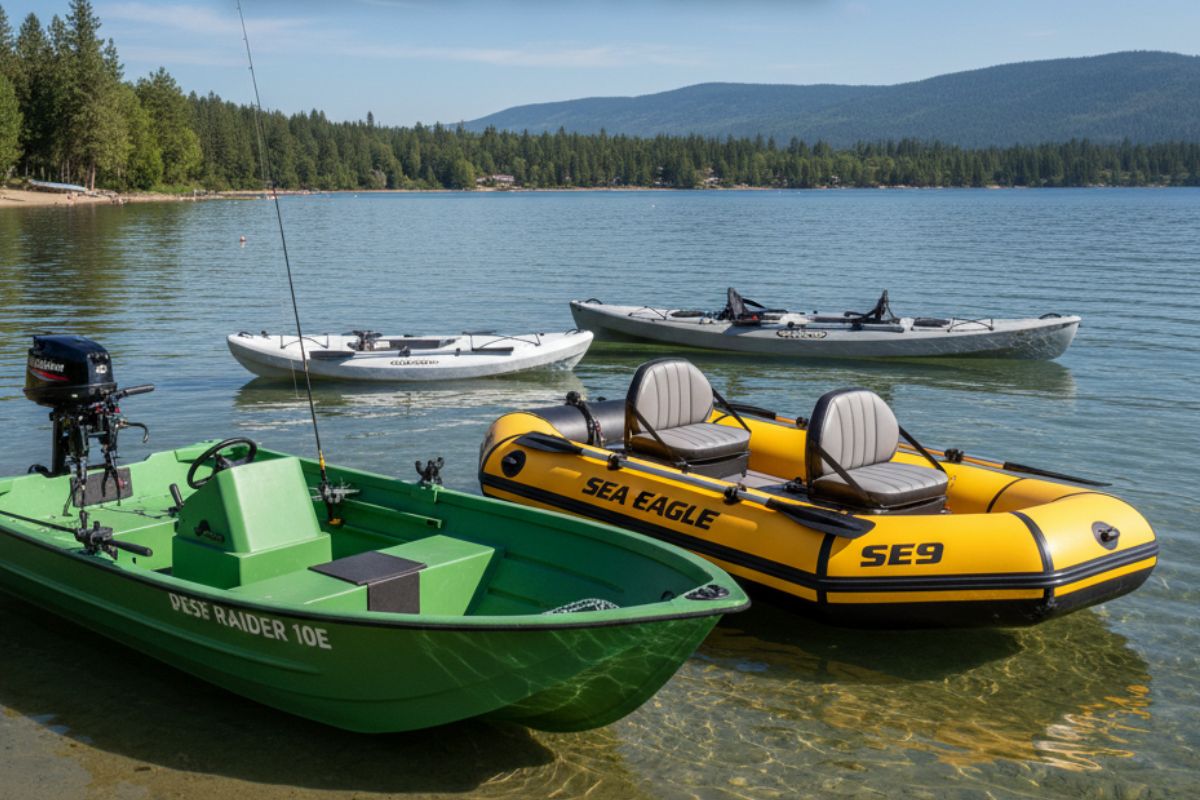
Best New Boats Under $1,000 for 2026
Finding high-quality boats under $1,000 is still possible in 2026.
2026 Outdoor Alert: Major DNR Changes and National Park Updates
The 2026 season is bringing significant shifts to the

Spring Tune-Up: Essential Maintenance for Kayaks and Paddleboards After Winter Storage
As the snow melts and the first hints of green

Snowmobiling Safely: Essential Gear to Stay Warm, Protected, and Ready for the Ride
Snowmobiling is one of the most exciting ways to explore