Rabbit Hunting 101: Timing, Tactics & Equipment for Success

Rabbit hunting is one of the most accessible and exciting forms of small-game hunting—ideal for beginners and targeted enough to give experienced hunters a satisfying challenge. Whether you have a pack of dogs or prefer stealthy solo hunts, learning where to find rabbits, when they’re most active, and which gear works best will drastically improve your results. In this guide, we cover everything you need to know—from location scouting and timing your hunts to choosing weapons and practicing safe, ethical habits.
Understanding Rabbit Behavior & Habitat
Rabbits thrive in areas that offer dense cover and easy access to food. Look for thick brush, field edges, overgrown junk piles, and early-succession timber or burned areas. These spots provide overhead protection and camouflage, making them preferred rabbit hotspots. Even small stretches of dense vegetation can hold multiple rabbits, making them perfect targets for systematic hunting.
Choosing the Best Time of Day
Rabbit movement peaks during low-light hours—dawn and dusk are prime times to hunt. In the morning, rabbits emerge to feed in cool, shaded spots. By midday, they retreat into heavy cover near gullies, creek banks, or briar patches. Late afternoon and just before dark, they return to feeding areas. Adjust your strategy depending on the time—use binoculars and a scoped .22 for stalking early, switch to a shotgun for overhead cover when pushing brush, and return to field edges at dusk for flyouts.
Solo Hunting vs. Hunting with Dogs
If you’re hunting solo, your success depends on blending stealth with strategic ground work. Choose terrain with good visibility and cover, approach downwind, and either still-hunt or systematically “beat” thick cover to flush rabbits toward shooting lanes. In a duo, one hunter can beat brush while the other waits at a funnel or edge.
With dogs, especially beagles, the hunt takes on a dynamic, collaborative rhythm. Dogs range through cover, pick up scent, and flush rabbits toward waiting hunters. When the dogs bay, set up in a semicircle ahead of the expected shot line. Safety and spacing are vital—wear blaze orange, know your partner’s position, and fire only when you’re sure of your target and clear of your dogs.
Effective Push and Ambush Techniques
There are multiple strategies to flush rabbits:
- Brush beating: Walk slowly through briars and shrubs, using a stick or boot to disturb nests and encourage movement.
- Stalking: Slowly creep through cover, scanning for eye shine or movement. Stay patient—rabbits often freeze instead of fleeing immediately.
- Drive-and-stand: One hunter pushes the cover while another stands ready at a key exit point.
- Dogs in cover: Often the most effective method—dogs chase rabbits into open ground where hunters are ready.
Choosing the Right Firearm and Ammunition
Rabbit hunting allows flexibility in firearm choice:
- Shotguns: 12-gauge or 20-gauge with open chokes are ideal for brush hunting and close-range shots. Use #6 or #7½ birdshot. For added challenge, try a .410 or 28-gauge.
- .22 Rimfire Rifles: Reliable for precise takes at longer range with minimal noise. Prefers .22 LR, hollow or round-nose bullets.
Always confirm your field of fire is safe. Avoid long-range shots beyond 35 yards with shotguns, and be mindful of potential ricochets with rimfire rifles.
Essential Gear for Comfort & Safety
Successful rabbit hunters prioritize both comfort and safety. Here’s a quick gear checklist:
- Blaze orange hat and vest for visibility
- Durable clothing—especially durable pants like chaps to handle briars
- Gloves to protect your hands while pushing brush
- Binoculars for early- and late-day scouting
- Water, snacks, and a small first-aid kit
- Backpack or game carrier for carrying rabbits
Field-Dressing and Handling Game
Rabbit meat is delicious and wholesome—but only if handled properly in the field. Prompt field-dressing (removing entrails) after the kill preserves skin quality and meat flavor. Always process the rabbit away from dirt and debris, carrying it in a clean bag or container. Store your harvest in a cooler to maintain freshness.
Ethics, Licensing & Regulations
Compliance with local hunting laws is vital. Most states require a small-game license, and some allow year-round rabbit hunting. Always confirm season dates, bag limits, and regulations before heading out. Safety-wise, clearly identify your target, wear hunter orange, communicate with hunting partners, and avoid shooting near roads or private property without permission.
Why You Should Rabbit Hunt
Rabbit hunting offers a perfect introduction to shooting sports, with fast-paced action and frequent opportunities to succeed. It helps hone marksmanship, boosts confidence, and provides wholesome wild game for the table. Whether hunting alone or with dogs, the experience is fun, family-friendly, and deeply rewarding.
Rabbit hunting excels in being simple, thrilling, and accessible. With the right approach—choosing the correct time and place, using effective tactics, selecting proper gear, and respecting regulations—you can enjoy memorable hunts and quality wild meat. So lace your boots early, team up with a friend or hound, and discover the joy of bunny hunting this season.


The Best Replacement Parts for Boats in 2026
Boat ownership in 2026 is all about reliability, efficiency, and
Preparing for the 2026 Power Sports Season: Top Helmets, Gloves & Accessories to Gear Up Safely and Stylishly
As the 2026 power sports season approaches, riders across the
Best New Boats Under $1,000 for 2026
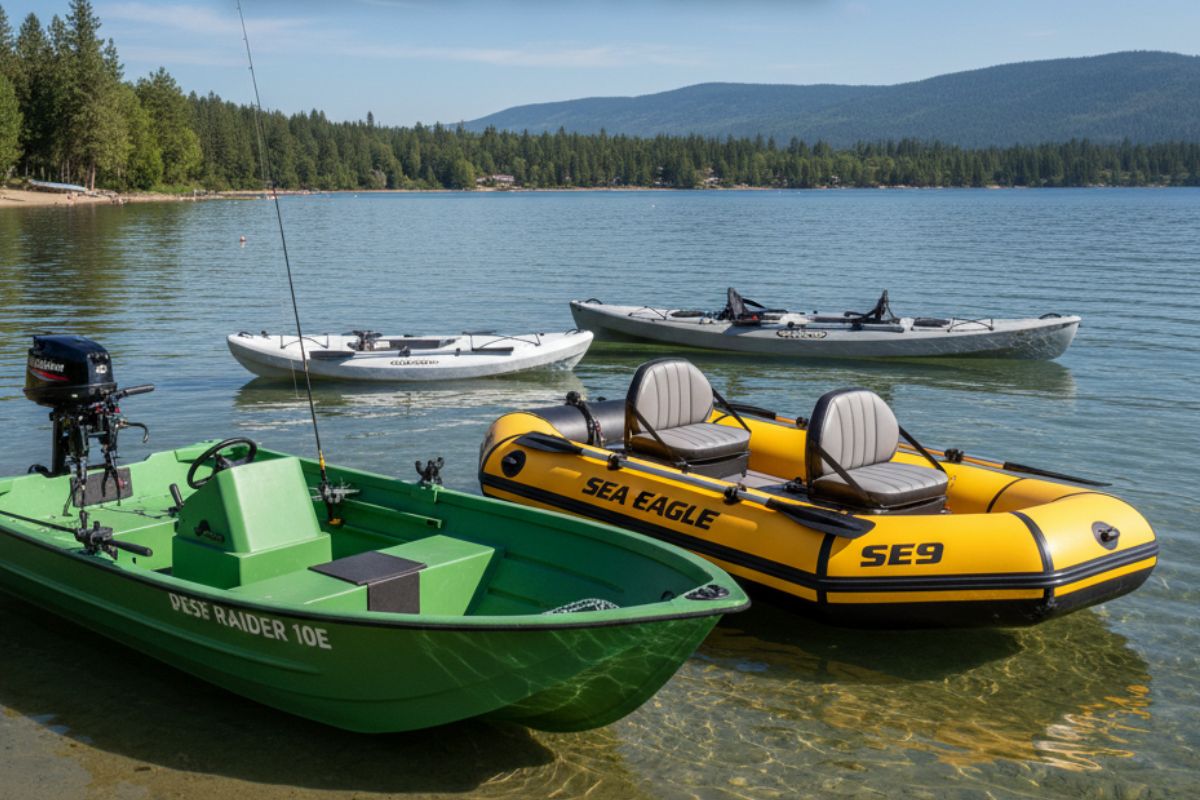
Finding high-quality boats under $1,000 is still possible in 2026.

2026 Outdoor Alert: Major DNR Changes and National Park Updates
The 2026 season is bringing significant shifts to the

Spring Tune-Up: Essential Maintenance for Kayaks and Paddleboards After Winter Storage
As the snow melts and the first hints of green

Snowmobiling Safely: Essential Gear to Stay Warm, Protected, and Ready for the Ride
Snowmobiling is one of the most exciting ways to explore