The Ultimate Guide to Sailing: Embracing the Open Water
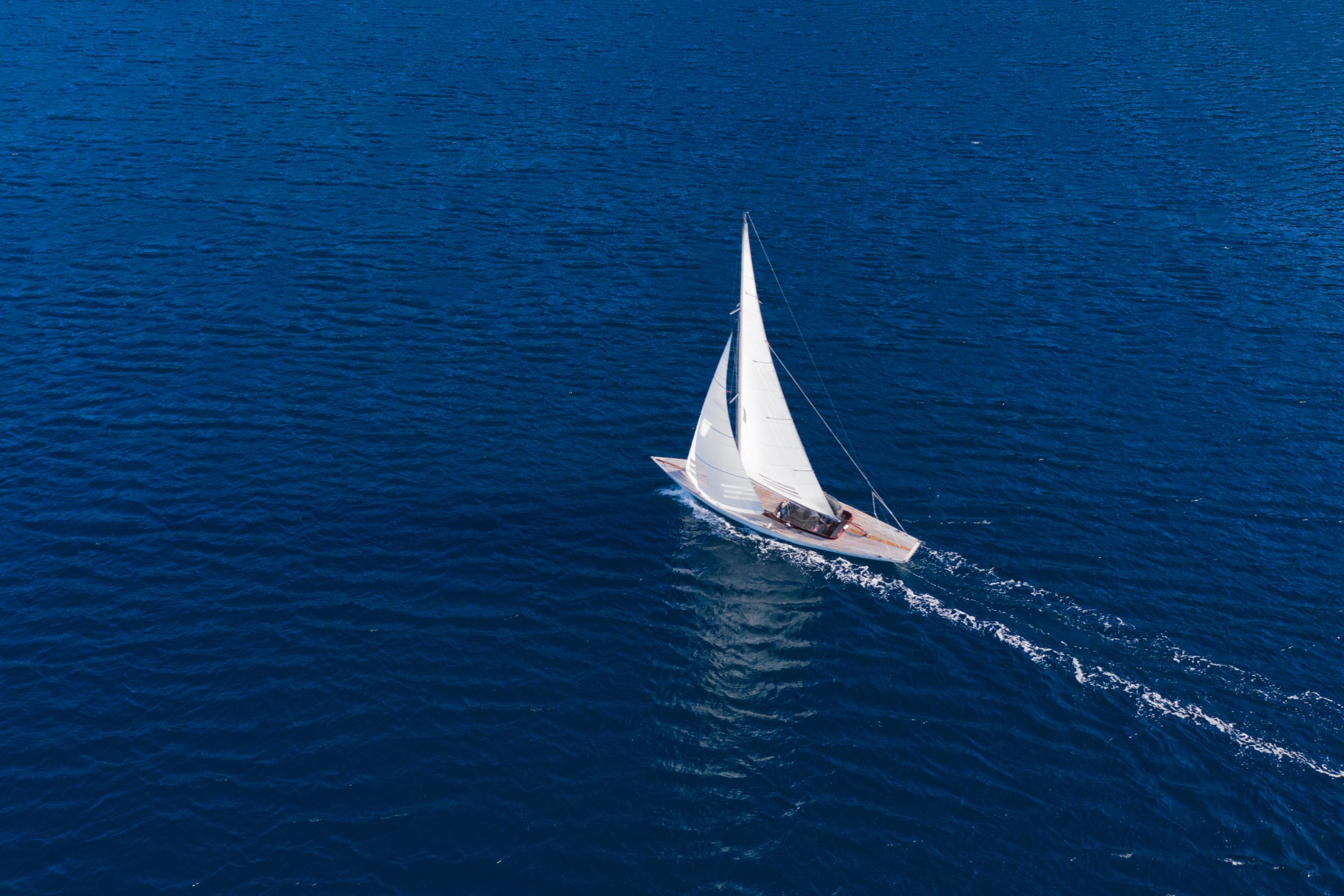
Sailing is more than just a sport or hobby—it’s a way to connect with nature, explore new horizons, and embrace the freedom of the open water. Whether you’re a beginner setting sail for the first time or an experienced sailor looking to refine your skills, understanding the fundamentals of sailing is essential for a smooth and enjoyable journey.
Getting Started: Understanding the Basics
Sailing involves harnessing the power of the wind to propel a boat forward. The key components of a sailboat include the hull, mast, sails, rudder, and rigging. Learning how these elements work together is crucial to navigating the waters effectively.
Essential Sailing Terminology
Port and Starboard – The left and right sides of the boat when facing forward.
Bow and Stern – The front and back of the boat.
Tacking and Jibing – Maneuvers used to change direction by turning the bow or stern through the wind.
Boom – The horizontal pole that extends from the mast to control the sail’s angle.
Types of Sailing
Sailing can take many forms, from leisurely coastal cruising to competitive racing and long-distance voyages. Here are a few popular types:
Day Sailing – Perfect for beginners, short trips on calm waters provide a great introduction to handling a boat.
Cruising – Multi-day sailing adventures that allow exploration of different locations.
Racing – A high-speed, competitive form of sailing requiring precision and teamwork.
Bluewater Sailing – Long-distance ocean crossings that require advanced navigation and endurance.
Essential Sailing Skills
To enjoy a successful sailing trip, mastering these fundamental skills is essential:
Wind Awareness – Understanding wind direction and how to adjust sails accordingly.
Knot Tying – Learning basic knots such as the bowline, cleat hitch, and figure-eight knot.
Navigation – Using charts, compasses, and GPS to plot courses and avoid hazards.
Safety Procedures – Knowing how to handle emergencies, such as man overboard situations and sudden weather changes.
Gearing Up: What to Bring on a Sailing Trip
Preparation is key for a comfortable and safe sailing experience. Here are some essentials to pack:
Life Jackets – A must-have for safety on any sailing trip.
Weather-Appropriate Clothing – Layered, waterproof clothing protects against wind and water spray.
Navigation Tools – GPS devices, maps, and compasses for staying on course.
Food and Water – Sufficient supplies for hydration and energy.
First Aid Kit – For treating minor injuries while at sea.
The Joy of Sailing
Sailing is a thrilling yet peaceful experience that allows you to disconnect from the hustle of daily life and immerse yourself in the natural world. Whether you’re gliding across a lake, exploring a coastline, or embarking on an ocean voyage, sailing offers a unique sense of adventure and accomplishment.
So hoist the sails, catch the wind, and set course for an unforgettable journey on the open water!



2026 Outdoor Alert: Major DNR Changes and National Park Updates
The 2026 season is bringing significant shifts to the American

Spring Tune-Up: Essential Maintenance for Kayaks and Paddleboards After Winter Storage
As the snow melts and the first hints of green

Snowmobiling Safely: Essential Gear to Stay Warm, Protected, and Ready for the Ride
Snowmobiling is one of the most exciting ways to explore

Find Big Fish This Season — Walleye Ice Fishing: Where to Look and Why
Know where walleyes live in winter Unlike summer feeding patterns,

Walleye Ice Fishing 101: Structure, Depth, and Presentations That Produce All Season
Start with structure: where the walleyes concentrate Winter walleyes are

Walleye Ice Fishing for Giants: Proven Winter Tactics That Put Big Fish on the Ice
Winter walleye fishing is different from open-water tactics — but
SHARE THIS STORY ANYWHERE YOU LIKE
SHARE THIS STORY ANYWHERE
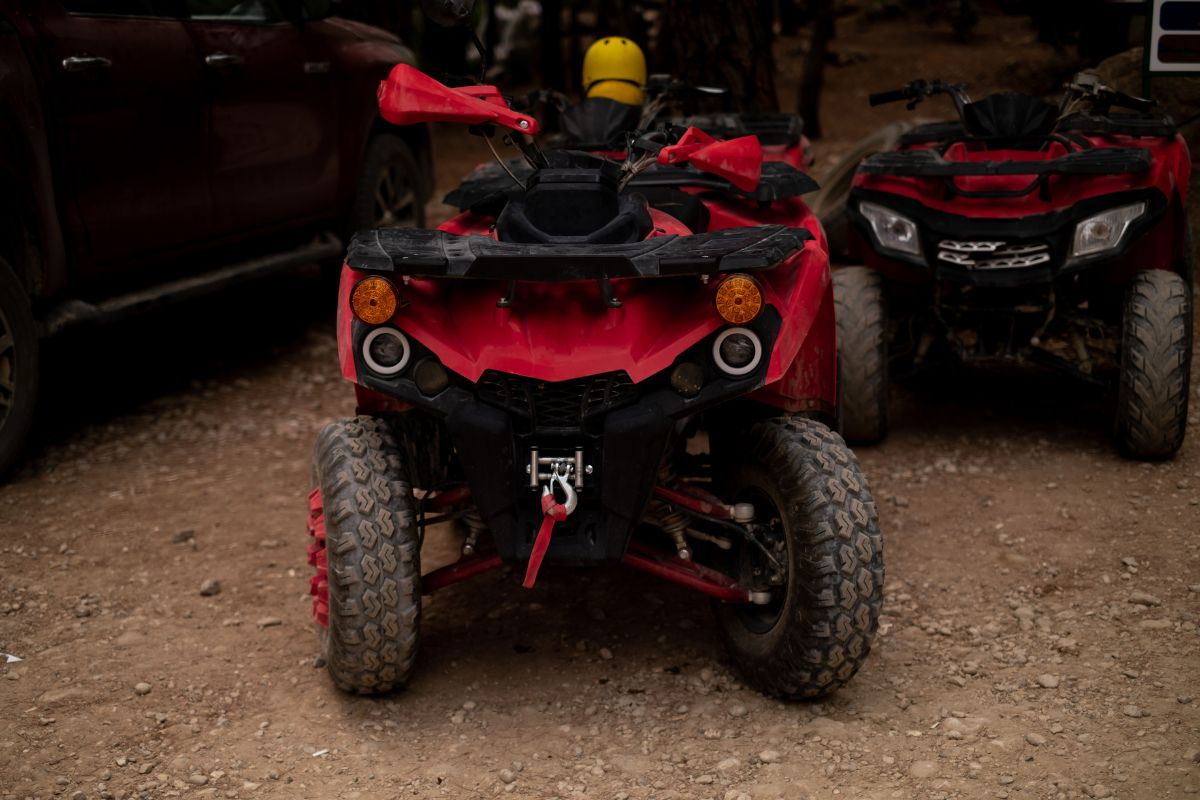
Preparing for the 2026 Power Sports Season: Top Helmets, Gloves & Accessories to Gear Up Safely and Stylishly
As the 2026 power sports season approaches, riders across the country are buzzing with excitement about hitting the trails, dunes, and tracks on their dirt bikes, ATVs, UTVs, and snowmobiles. Whether you’re a weekend warrior